 ultimate-guide
400 Square Foot Driveway Cost: Complete Pricing Guide
Table of Contents
- What a 400 Square Foot Driveway Actually Costs
- Concrete Driveway Cost Per Square Foot: Breaking Down the Numbers
- 400-Square-Foot Concrete Slab Cost: Material and Labor Breakdown
- Concrete Driveway Thickness: How Specification Affects Your Total
- Factors That Change Your Final Price
- Concrete Driveway Installation Time: What to Expect
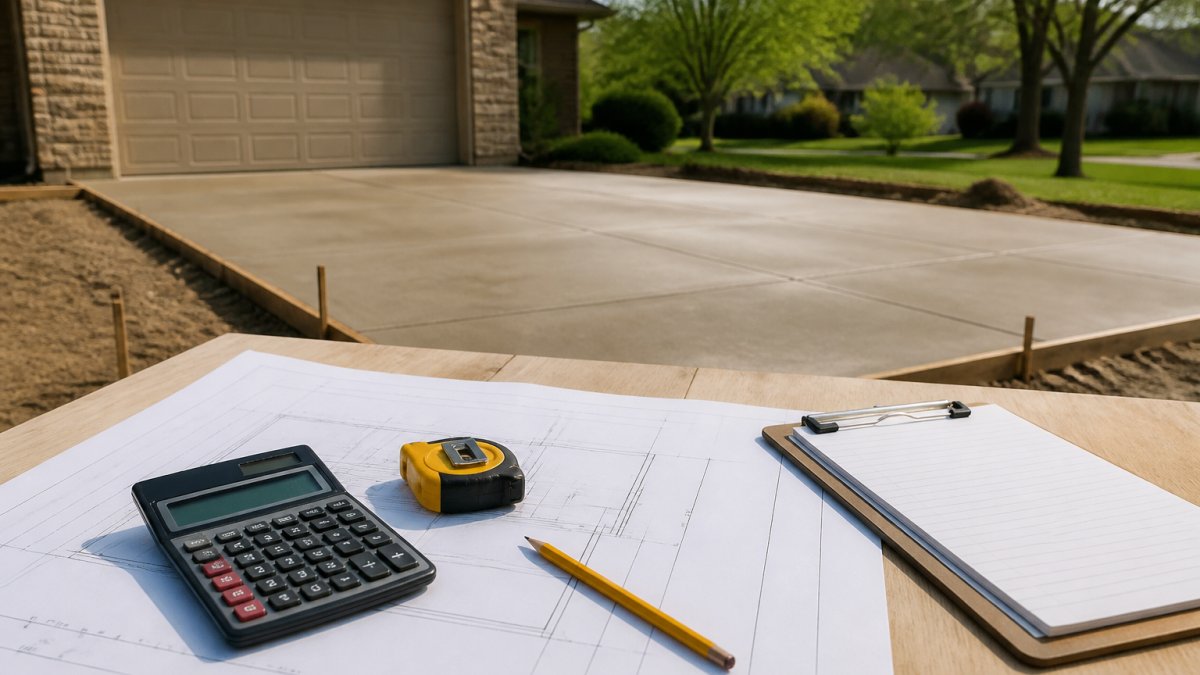
- How to Get an Accurate Estimate for Your 400 Square Foot Project
- Frequently Asked Questions
Last Updated: October 18, 2026
What a 400 Square Foot Driveway Actually Costs
Understanding what a 400 square foot driveway cost entails is important because a 400 square foot concrete driveway typically represents a modest residential project, roughly the size of a single-car garage pad or a narrow two-car approach. Understanding the true cost of this specific footprint matters because pricing doesn't scale linearly.
The 400 square foot driveway cost depends on three primary drivers: material expenses, labor rates, and site conditions. Most homeowners underestimate how much existing conditions influence the final bill. A clean, level lot costs far less to prepare than one requiring significant grading, removal of old concrete, or soil remediation.
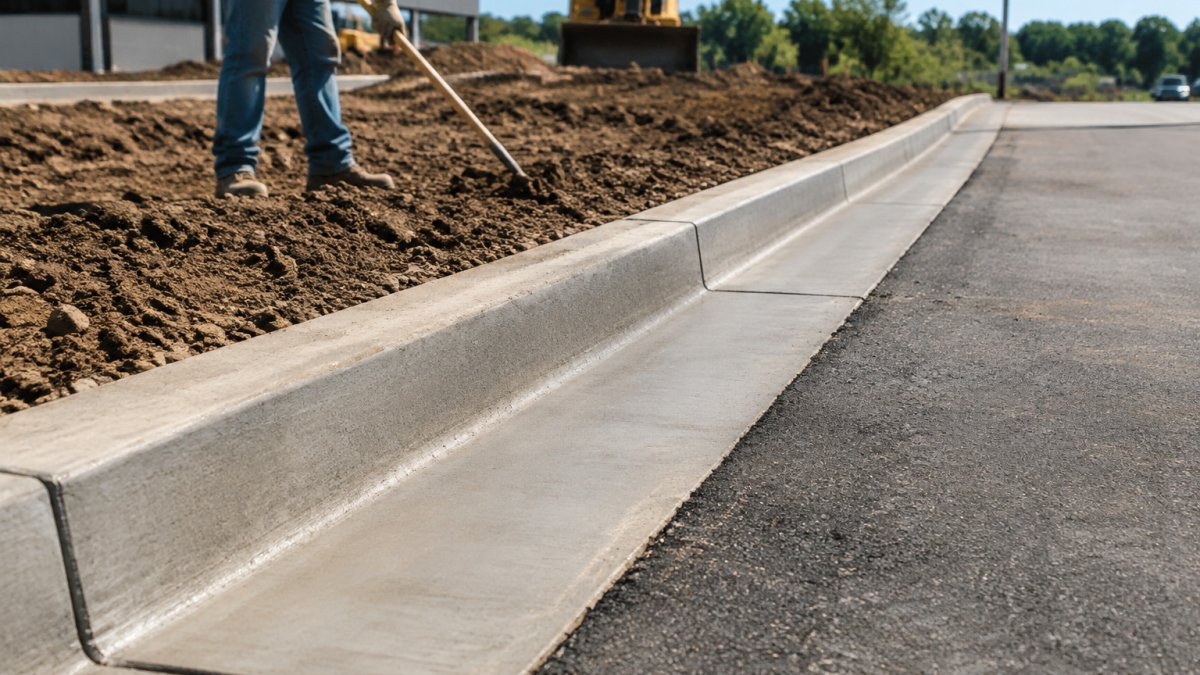
The concrete driveway installation itself, pouring, finishing, and curing, represents only part of the total expense. Site preparation, which includes excavation, grading, and establishing a proper subgrade with gravel base, often accounts for 20-30% of the project cost.
Concrete Driveway Cost Per Square Foot: Breaking Down the Numbers
The per-square-foot pricing model provides a useful starting point, but it's incomplete without context. Most concrete driveway installations range from moderate to higher per-square-foot rates depending on regional labor costs, concrete quality, and project complexity.
Material costs for ready-mix concrete vary by region and concrete mix design. A standard residential concrete mix suitable for driveways typically costs more per cubic yard in areas with limited supplier competition. Your 400 square foot driveway at a standard 4-inch thickness requires approximately 5 cubic yards of concrete.
Labor costs fluctuate based on local wage standards and contractor experience. Installation includes site preparation, forming, pouring, finishing, and curing oversight. A contractor's efficiency on smaller projects sometimes results in higher per-square-foot labor rates because fixed costs (equipment setup, crew mobilization) spread across fewer square feet.
400-Square-Foot Concrete Slab Cost: Material and Labor Breakdown
Material Costs for Your Slab
For a 400 square foot concrete driveway at standard 4-inch thickness, material requirements center on ready-mix concrete volume and reinforcement. The concrete itself represents the largest material expense. Delivery fees often apply separately, particularly for smaller orders, since concrete trucks have minimum-load requirements and per-yard surcharges for short-distance deliveries.
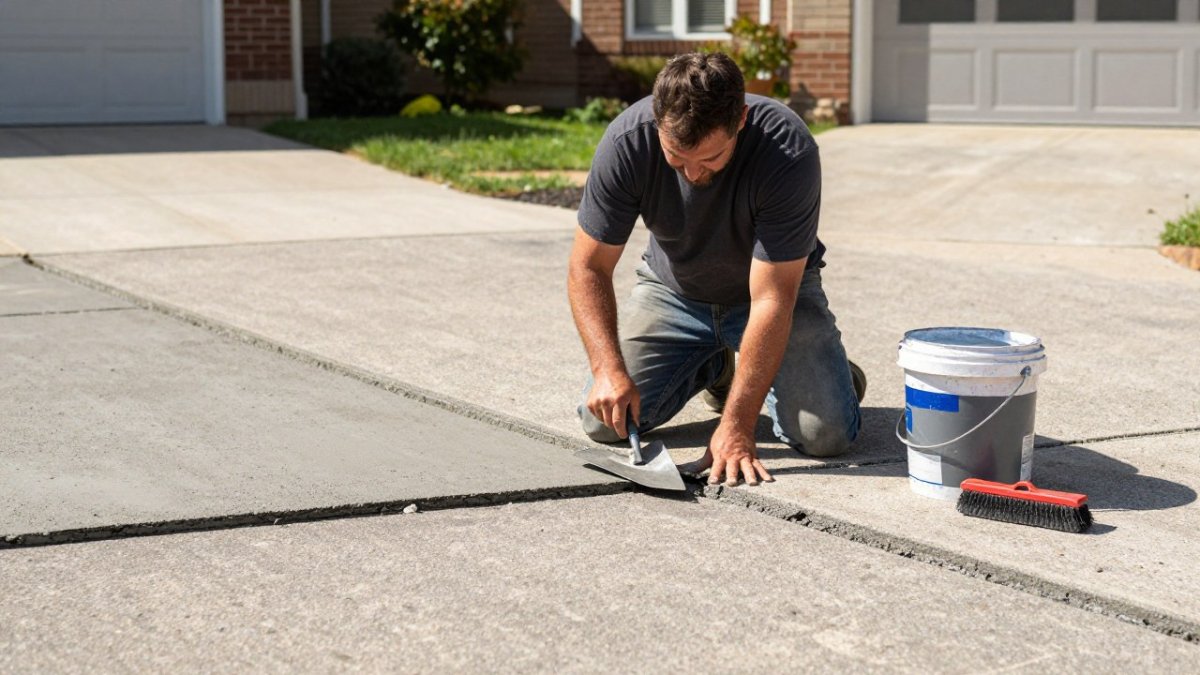
Reinforcement adds to material cost but is essential for durability. Wire mesh or rebar prevents cracking and extends slab lifespan significantly. The choice between these options affects both material expense and installation labor.
Gravel base material, typically 4-6 inches of crushed stone or recycled asphalt, supports proper drainage and prevents settling. This material is usually quoted separately from concrete and disposal fees. For a 400 square foot area, base preparation material costs remain modest but are non-negotiable for a durable installation.
Labor and Installation Expenses
Labor represents the second-largest cost component for concrete driveway installation. Site preparation labor, excavation, grading, compacting the subgrade, and establishing a level base, typically requires 4-8 hours depending on existing conditions. If the site requires minimal prep work, costs stay lower.
Pouring and finishing concrete requires skilled labor. The concrete must be placed, screeded level, and finished to the desired surface texture. Broom finishing (a standard textured surface for traction) takes less time than stamped or decorative finishes. Curing oversight, while not labor-intensive, affects timeline and quality.
A 400 square foot driveway typically requires one to two days of labor for site prep, forming, pouring, and initial finishing. If the project includes old concrete removal and disposal, add an additional 4-6 hours. Regional labor rates vary considerably, so your local market significantly influences the total labor bill.
Concrete Driveway Thickness: How Specification Affects Your Total
Concrete driveway thickness directly impacts both material cost and long-term durability. Standard residential driveways use 4-inch thickness, which suits most single-family homes with typical vehicle loads. This thickness balances cost efficiency with adequate structural capacity for passenger vehicles and light trucks.
Thicker slabs, 5 or 6 inches, provide additional strength and crack resistance, particularly in regions with freeze-thaw cycles or heavy vehicle use. The thickness increase requires more concrete volume, raising material cost proportionally.
Thinner slabs (3 inches) reduce material cost but compromise durability. Most building codes and best practices recommend against 3-inch driveways for residential use because they're prone to cracking under typical vehicle loads.
Reinforcement interacts with thickness decisions. Thicker slabs with rebar offer superior crack control. Thinner slabs benefit even more from proper reinforcement because the slab has less inherent strength.
Factors That Change Your Final Price
Site Preparation and Existing Conditions
Site preparation represents a major cost variable for concrete driveway projects. A relatively level lot with stable soil requires minimal excavation and grading, keeping prep costs low.
Existing vegetation removal, tree stumps, and debris clearance add time and cost. If the site includes large rocks, clay deposits, or compacted soil that resists excavation, removal becomes more labor-intensive.
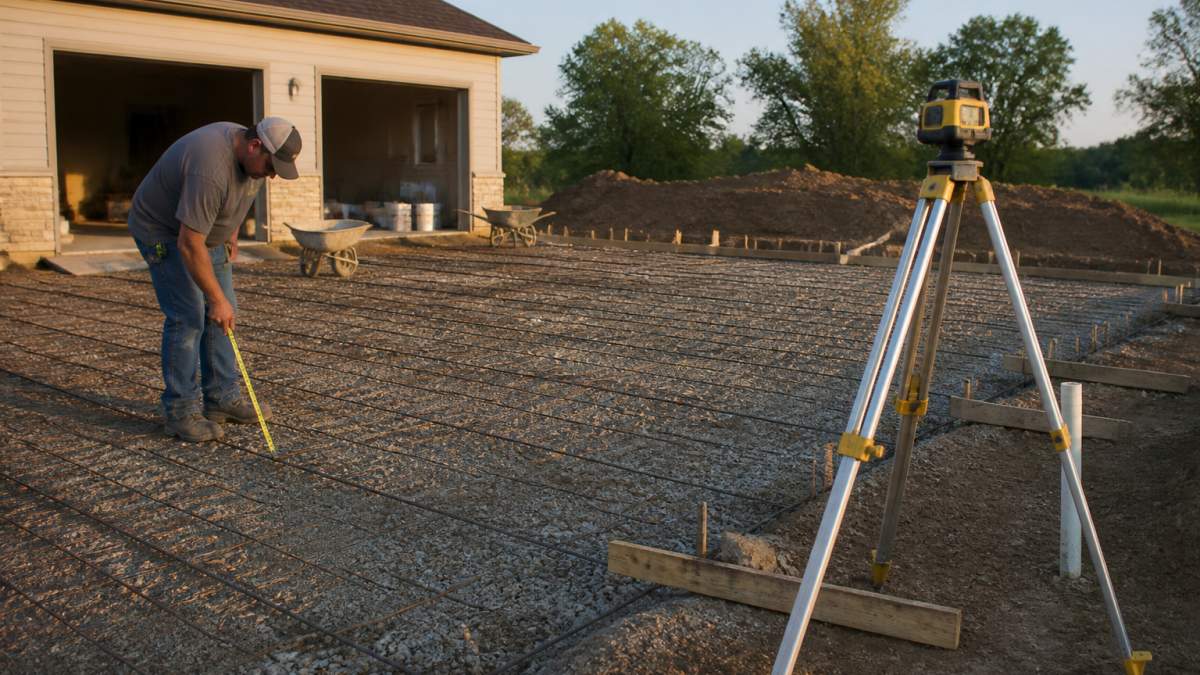
Soil type affects subgrade preparation. Sandy soil drains well but may require more compaction. Clay-heavy soil retains moisture and may need additional base material for proper support. Rocky soil requires more excavation effort. Understanding your site's soil conditions helps contractors estimate preparation costs accurately.
Removal and Replacement of Old Concrete
If you're replacing an existing driveway, removal and disposal costs add significantly to your project. Concrete removal requires breaking up the old slab (typically with a jackhammer or similar equipment) and hauling debris away. A 400 square foot driveway generates substantial waste volume.
Disposal fees depend on local waste management options. Some areas have concrete recycling facilities that charge lower rates than general demolition waste. Others require standard landfill disposal. Hauling costs vary by distance to the disposal facility.
After removal, the subgrade must be inspected and prepared for the new slab. Sometimes the old base material can be reused; other times it requires complete replacement. This assessment happens during the removal phase and may reveal additional preparation needs, affecting the final cost.
Finishing and Decorative Options
Standard broom finish concrete provides a textured, slip-resistant surface suitable for most residential driveways. This finish adds minimal cost beyond basic finishing labor and is the most economical choice.
Decorative finishes, stamped concrete, colored concrete, or polished finishes, increase material and labor costs substantially. Stamped concrete requires specialized equipment, skilled labor, and additional materials (release agents, colorants). These finishes can double or triple the finishing cost compared to a standard broom finish. Colored concrete requires concrete colorant mixed into the batch, adding material expense and potentially affecting concrete curing characteristics.
Sealing, whether applied immediately after curing or later, protects the concrete surface and extends lifespan. Sealing costs depend on the sealer type and application method. A sealed driveway resists staining, weathering, and freeze-thaw damage more effectively than unsealed concrete. Many contractors recommend sealing as a worthwhile investment for long-term durability.
Concrete Driveway Installation Time: What to Expect
Most 400 square foot concrete driveway projects complete within 1-3 weeks from start to finish, though the actual construction timeline is much shorter. Site preparation typically takes 1-2 days. Concrete pouring and finishing occurs over 1-2 days, depending on weather and crew size.
Weather significantly impacts timeline. Rain delays pouring and compromises finishing quality. Extreme heat accelerates curing but may cause surface cracking if not managed properly. Cold weather slows curing and may require protective measures.
The curing period requires minimal activity but careful management. The concrete must remain undisturbed and protected from traffic during the first week.
Seasonal considerations matter for planning. Winter concrete work requires additional precautions and often costs more due to extended curing times and protective measures. Summer projects proceed quickly but require careful moisture management to prevent surface cracking.
How to Get an Accurate Estimate for Your 400 Square Foot Project
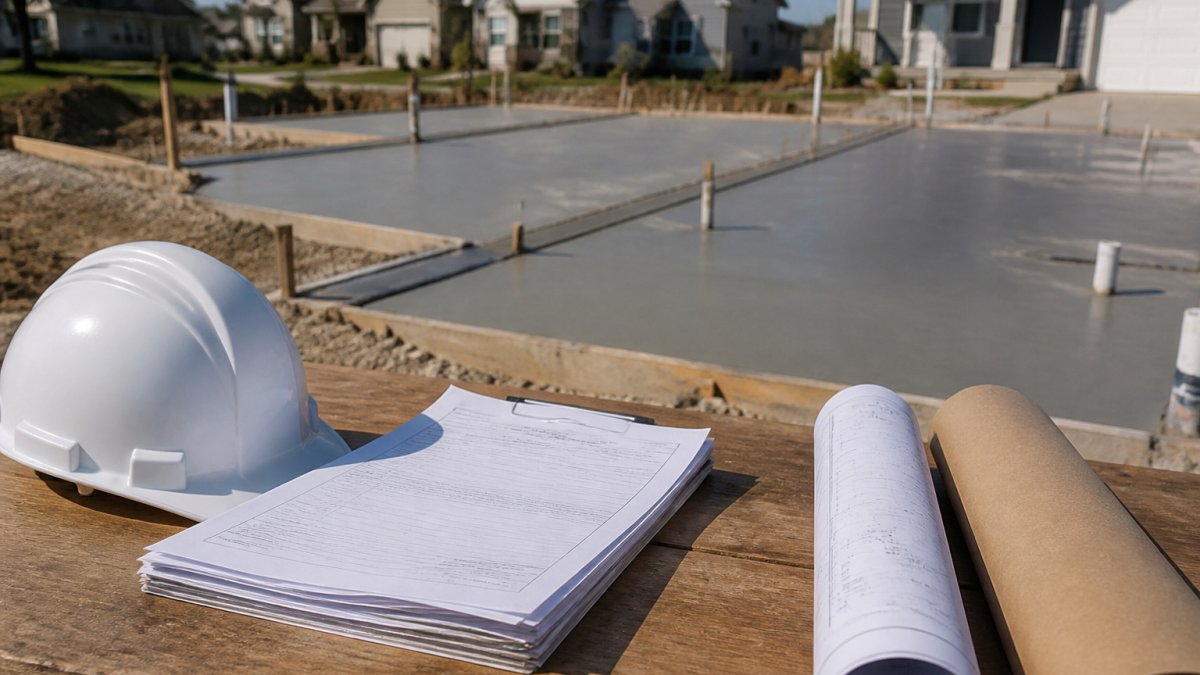
Obtaining multiple estimates helps you understand the market rate and identify cost drivers. Request that contractors provide itemized breakdowns separating site preparation, material, labor, finishing, and any additional services.
Provide contractors with consistent site information: current surface conditions, existing driveway dimensions (if replacing), soil type if known, desired thickness, and finishing preference. Consistent information ensures comparable estimates.
Site visits matter. Contractors who inspect your property in person provide more accurate estimates than those quoting over the phone.
Ask about payment terms, warranty, and timeline. Reputable contractors stand behind their work with written warranties covering cracking and other defects.
At BK Concrete LLC, we provide online cost estimation tools and detailed quotes that break down material, labor, site preparation, and finishing costs. Our team handles every stage from site inspection through final curing, ensuring your driveway is built to last. We recommend getting a professional site assessment before making final decisions about thickness, reinforcement, and finishing options.
A 400 square foot concrete driveway represents a manageable residential project with straightforward cost drivers. Understanding material requirements, labor rates, site conditions, and finishing options helps you to make informed decisions.
Frequently Asked Questions
How much does a 400 square foot concrete driveway cost?
The total cost for a 400 square foot driveway depends on several factors including site conditions, concrete thickness, finishing type, and whether removal of existing concrete is needed. Material and labor costs vary by region and contractor. For a specific quote tailored to your project, contact a local concrete contractor or use an online cost estimator to get an accurate figure based on your exact requirements and location.
What is the average concrete driveway cost per square foot?
Concrete driveway pricing per square foot varies significantly based on regional labor rates, material availability, site difficulty, and finish type. Standard concrete driveways typically range in cost per square foot, but stamped or decorative finishes cost more. Your local contractor can provide a per-square-foot estimate after assessing your specific site conditions, soil quality, and any necessary site preparation or removal work.
How thick should a concrete driveway be?
Residential concrete driveways are typically poured at 4 to 6 inches thick, depending on soil conditions and expected traffic. A 4-inch slab works for most residential applications with proper subgrade preparation. Thicker concrete (5-6 inches) provides added durability in areas with freeze-thaw cycles or heavy use. Reinforcement with rebar or wire mesh is recommended for most installations to prevent cracking and extend the lifespan of your driveway.
How long does it take to install a concrete driveway?
A 400 square foot concrete driveway typically takes 1 to 3 days from start to finish, including site preparation, pouring, finishing, and initial curing. Weather conditions significantly affect the timeline. Concrete requires at least 7 days to cure before light use and 28 days for full strength. Site complexity, existing concrete removal, and weather delays can extend the project duration, so discuss the full timeline with your contractor before work begins.
What is included in a concrete driveway estimate?
A complete driveway estimate should include site preparation and grading, excavation costs, material (concrete, rebar, or wire mesh), labor for pouring and finishing, and curing time. If replacing existing concrete, removal and disposal should be itemized separately. Ask your contractor whether the quote includes sealing, permits, or cleanup. Understanding what is and is not included helps you compare quotes accurately and avoid unexpected charges.
Does my small 400 square foot driveway qualify for contractor work?
Yes, a 400 square foot driveway is a standard residential project. Many concrete contractors accept projects of this size. Some may have a minimum charge that applies to smaller jobs, so confirm pricing and project minimums upfront. Working directly with a concrete specialist rather than a general contractor often provides better quality control, faster scheduling, and transparent pricing for residential-sized projects like yours.
What factors affect concrete driveway pricing the most?
The biggest cost drivers are site preparation complexity, existing concrete removal, concrete thickness and reinforcement type, finishing options, and regional labor rates. Difficult soil conditions or poor drainage require more extensive grading and subgrade work. Stamped or decorative finishes cost significantly more than a standard broom finish. Local material delivery fees and contractor availability also influence the final price substantially.