 comparison
Primal Construction Alternatives for Developers
Last Updated: November 4, 2026
Quick Summary
For developers, the practical primal construction alternative is a direct concrete contractor who controls the concrete scope from grading through finish, not a broker who subcontracts it out. Software platforms control information, but only a crew pours the work, so most developers need both.
- Procore is built for large commercial developers but carries a high cost of entry for smaller portfolios.
- Cornerstone PM charges a flat monthly fee but offers fewer third-party integrations than enterprise platforms.
- Ask each vendor for a written five-year cost that includes adding five field users in year two.
- A direct concrete contractor handles site preparation, grading, rebar reinforcement, and the finished pour with one accountable crew.
- Define and permit the concrete scope before submittal, since permitting timelines can affect the schedule.
Table of Contents
- Why Developers Need a Primal Construction Alternative
- Top Construction Management Software Alternatives for Developers
- Construction Management Software Cost Comparison
- How to Choose Construction Management Software
- Concrete Contractors as a Primal Construction Alternative
- Comparing Primal Construction with Developer Alternatives
- Calculate Your Concrete Project Estimate
- Frequently Asked Questions
Why Developers Need a Primal Construction Alternative
Developers searching for a Primal Construction alternative usually share one frustration: they need a delivery partner who controls the concrete scope from grading through finish, not a broker who subcontracts it out. At BK Concrete LLC, we work with Kansas City developers who ask the same question every quarter: why does the concrete package keep drifting from the bid?
The answer is rarely the concrete itself. It is the handoffs. A construction management software platform cannot pour a foundation, and a general contractor who subs out flatwork adds a layer between the owner and the crew. According to the U.S. Census Bureau's construction spending data, concrete work sits at the front of nearly every schedule, so any delay there cascades through the whole project.
Below, we compare the software options developers actually evaluate and explain where direct concrete contracting fits. The comparison covers four platforms, selection criteria, and a working estimate framework.
Top Construction Management Software Alternatives for Developers
If your Primal Construction search is really about project controls, four platforms dominate the developer conversation. Each solves a different problem, and picking the wrong one wastes more than license fees.
Procore: Best for Large Commercial Projects
Procore is a platform often considered by large commercial developers. It bundles project management, quality, and safety into one system, with real-time financial tracking. The trade-off is cost of entry, since pricing is a custom quote based on construction volume, and smaller shops often find it hard to justify. For a multi-building commercial development, the reporting depth usually pays for itself.
Buildertrend: Best for Residential Builders
Buildertrend targets residential home builders and remodelers. Its client portal handles selections, change orders, and communication in one place.
Autodesk Construction Cloud: Best for Design-Integrated Workflows
Autodesk Construction Cloud connects design, preconstruction, and construction in one cloud suite.
Cornerstone PM: Best for Budget-Conscious Teams
Cornerstone PM competes on pricing transparency. It charges a flat monthly subscription rather than per-seat licensing, which suits small to mid-sized firms tired of watching user counts drive the bill. Project tracking is simplified and administrative overhead is the stated target. The limitation is integrations: fewer third-party connections than the enterprise platforms offer.
Construction Management Software Cost Comparison
Sticker price is the least useful number in a construction software decision. Developers should compare total cost of ownership across five lines: license or subscription, implementation and data migration, training hours per field user, integration and API fees, and the cost of the workflows the platform does not replace. Most practitioners find the last line is the largest and the least quoted.
| Platform | Pricing model | Typical cost driver | Implementation load | Main limitation for developers |
|---|---|---|---|---|
| Procore | Custom quote by construction volume | Annual volume plus user count | Weeks of setup; integration marketplace billed separately | High cost of entry for smaller portfolios |
| Buildertrend | Subscription | User seats and add-on modules | Days, not weeks; residential templates | Weak for heavy commercial and multi-prime work |
| Autodesk Construction Cloud | Subscription | Seats plus module mix | Training time is the real cost | Steep learning curve for field staff |
| Cornerstone PM | Flat monthly fee | Flat fee, fewer seats billed | Light setup | Fewer third-party integrations |
Pricing for most of these platforms is typically quoted on request, so any published comparison is directional. Ask each vendor for a written five-year cost that includes adding five field users in year two, one acquisition or new entity in year three, and a data export at exit. A platform that cannot produce that document is telling you something about how it will handle your change orders.
The developer-specific point is that software platforms do not pour concrete. Software cost has to be weighed against the cost of the scope it does not control. For a fuller picture of how contractor pricing escalates across a build, see our guide to avoiding concrete contractor price escalation.
How to Choose Construction Management Software
Choosing construction management software starts with one question: what decision does the platform need to improve? If the answer is budget visibility, prioritize financial tracking. If it is schedule coordination, prioritize field tools and daily logs.
Use this checklist before you sign:
- Map the three reports you actually need each week
- Confirm pricing behavior when you add field users
- Test the mobile experience on a real job site
- Verify integrations with your accounting system
- Ask how change orders flow to the owner
- Check onboarding time and training included
A common mistake is buying for the demo rather than the Tuesday morning workflow. The platform that looks best in a sales call is rarely the one your superintendent opens at 6 a.m. Before committing to any vendor, know what a fixed-price concrete quote should include so the software and the scope stay aligned.
Concrete Contractors as a Primal Construction Alternative
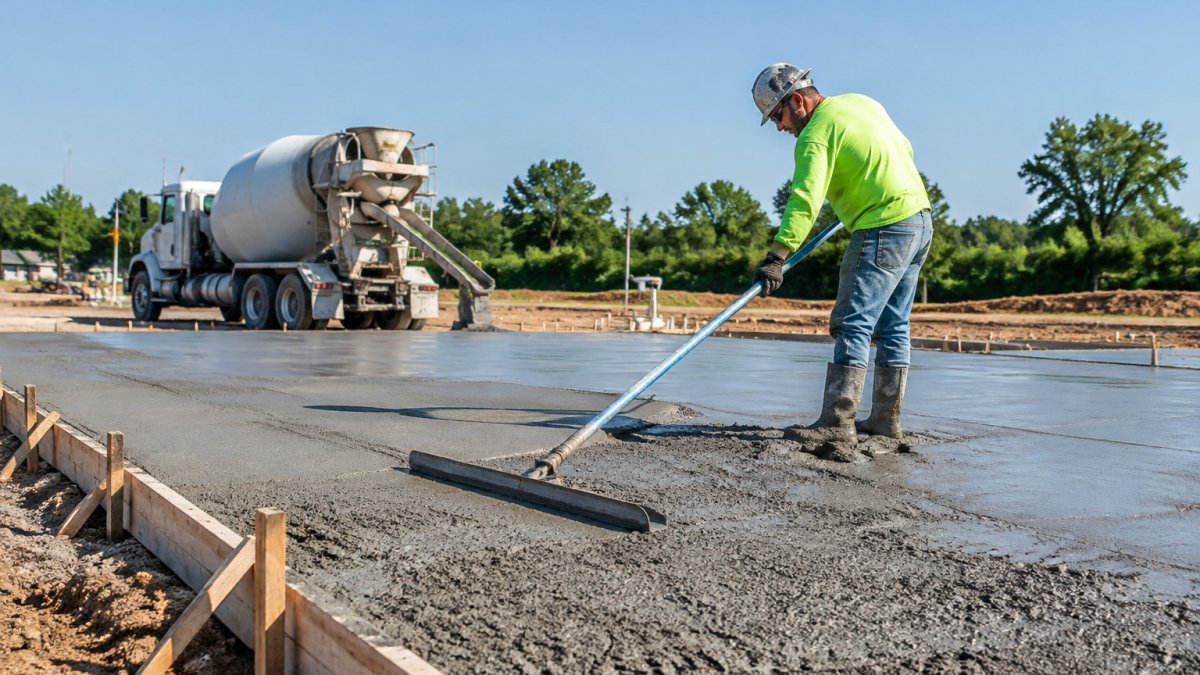
For developers whose real gap is concrete execution, a direct concrete contractor is the more practical Primal Construction alternative. One accountable crew handles site preparation, grading, rebar reinforcement, and the finished pour, which removes the handoff where schedules usually slip.
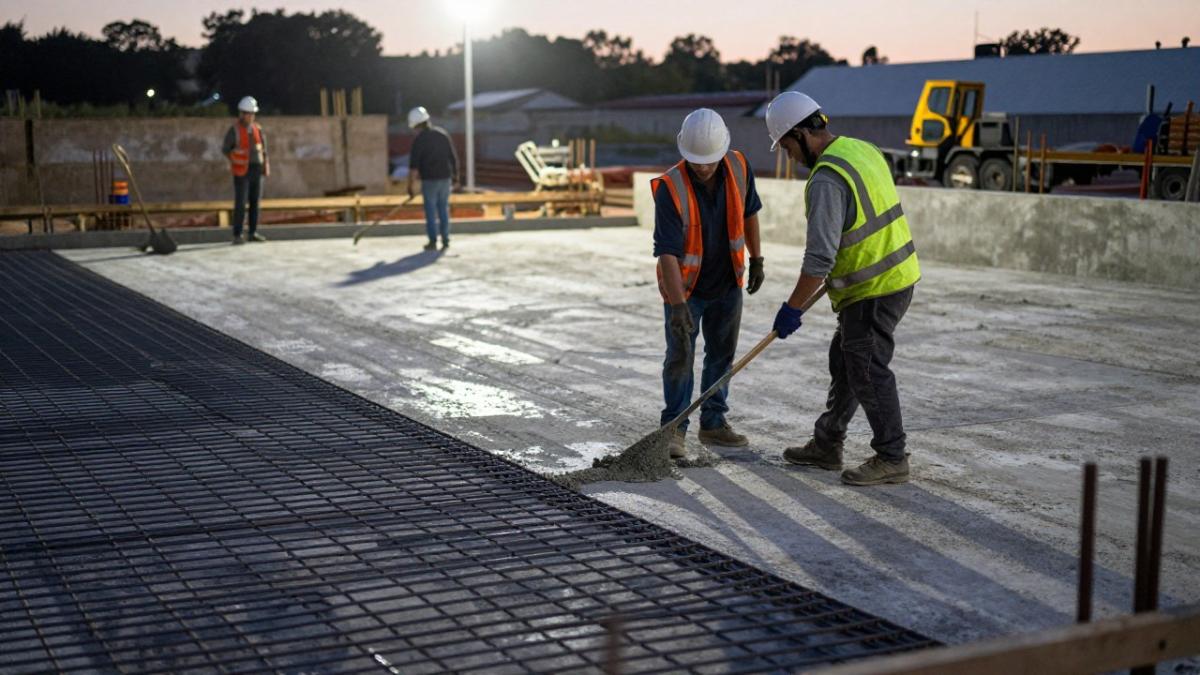
The man is American.
BK Concrete LLC handles commercial foundations, parking pads, and residential driveways across the Kansas City metro, with an interactive online estimator that gives a ballpark material and labor figure before you commit.
If you are vetting flatwork crews, our guide on choosing commercial flatwork contractors covers the questions to ask.
Comparing Primal Construction with Developer Alternatives
The honest comparison comes down to what each option actually controls. Software controls information. A concrete contractor controls the physical work. Most developers need both, but they are not substitutes, and the decision should be made against criteria a developer can defend to an investment committee.
Use this framework before choosing either:
- Project scale and asset type. A single-tenant retail pad and a multi-phase multifamily podium have different concrete scopes, different lender draw schedules, and different tolerance for schedule drift.
- Delivery model. Design-bid-build, design-build, and CM-at-risk shift who owns the concrete scope and who carries the risk of a missed pour.
- Financing and draw requirements. Lenders and inspectors require documented progress; software produces the record, but only a crew produces the work the record describes.
- Internal capabilities. If you have no field superintendent, a direct concrete contractor replaces a capability you would otherwise have to hire.
- Exit and portability. Ask what happens to your project data if you change platforms or contractors mid-build.
| Option | Controls | Best for | Implementation risk to price in |
|---|---|---|---|
| Procore | Project data and financials | Large commercial portfolios | Setup time and integration fees |
| Buildertrend | Client communication | Residential builds | Outgrows commercial complexity |
| Autodesk Construction Cloud | Design-to-build data | Design-heavy projects | Field training time |
| Cornerstone PM | Budget predictability | Small to mid-sized firms | Integration gaps |
| Direct concrete contractor | The concrete scope itself | Foundation and flatwork delivery | Scope must be defined and permitted upfront |
The risks that decide projects are rarely on the software comparison sheet. Permitting timelines and a concrete scope that is not defined before permit submittal can affect the schedule, and building-code, insurance and lender inspection requirements have to be satisfied before the first pour.
Evidence from comparable projects is a useful test. Ask any alternative, software or contractor, for a project of similar type, budget, and schedule. Our concrete paving services guide shows what a defined concrete scope includes on a typical project, which is the baseline any comparison should start from.
Calculate Your Concrete Project Estimate
Estimating concrete work depends on inputs such as square footage, thickness, reinforcement, and site conditions.
Here is how we would frame it:
- Measure the pour area in square feet, including approaches and aprons
- Set the thickness by load: standard flatwork versus heavy-duty foundation
- Confirm reinforcement requirements, including rebar grid spacing
- Assess site conditions: grading, access, and removal of old material
- Add a contingency for subgrade surprises
A small residential driveway and a commercial parking pad share the same math but not the same specification. Pricing depends on quantity, thickness, and site access, so we quote after reviewing the site. Our online estimator can help you get a starting point.
Frequently Asked Questions
What are the best construction management software alternatives for developers?
Developers often consider Procore for large commercial projects, Buildertrend for residential work, Autodesk Construction Cloud for design-integrated workflows, and Cornerstone PM for budget-conscious teams. Each platform differs in pricing model, integration depth, and target project size. Evaluate based on your project volume, team size, and need for client-facing tools.
How do I choose between construction management platforms?
Start by defining your project types and team structure. If you handle large commercial developments, prioritize platforms with robust financial tracking. For residential builds, a platform with client-facing tools may fit better. Consider integration with your existing accounting software, the learning curve for your field staff, and whether per-seat or flat-fee pricing aligns with your budget. Request demos and trial periods to test workflows before committing.
Is Procore a better alternative to Primal Construction for large-scale projects?
Procore is designed for large commercial construction, offering project management and real-time financial tracking. Primal Construction may serve different needs, such as specialized concrete work or smaller-scale development. However, if your primary need is concrete installation or site work, a specialized contractor like BK Concrete LLC may be a direct option to consider.
What features should developers look for in construction management software?
Key features include real-time budget and cost tracking, document management with version control, scheduling and daily logs, bid management, and mobile access for field teams. Integration with your accounting software is important for financial sync. For client-facing projects, a portal for selections and change orders adds value. Also assess the pricing model against your team size and budget.
Are there cost-effective alternatives to Primal Construction for small developers?
Small developers can explore cost-conscious software options, and Buildertrend provides residential-focused tools that may suit smaller-scale projects. For concrete-specific work, a specialized contractor like BK Concrete LLC may be an option for foundations, parking pads, and flatwork. Always request detailed quotes and compare scope before deciding.
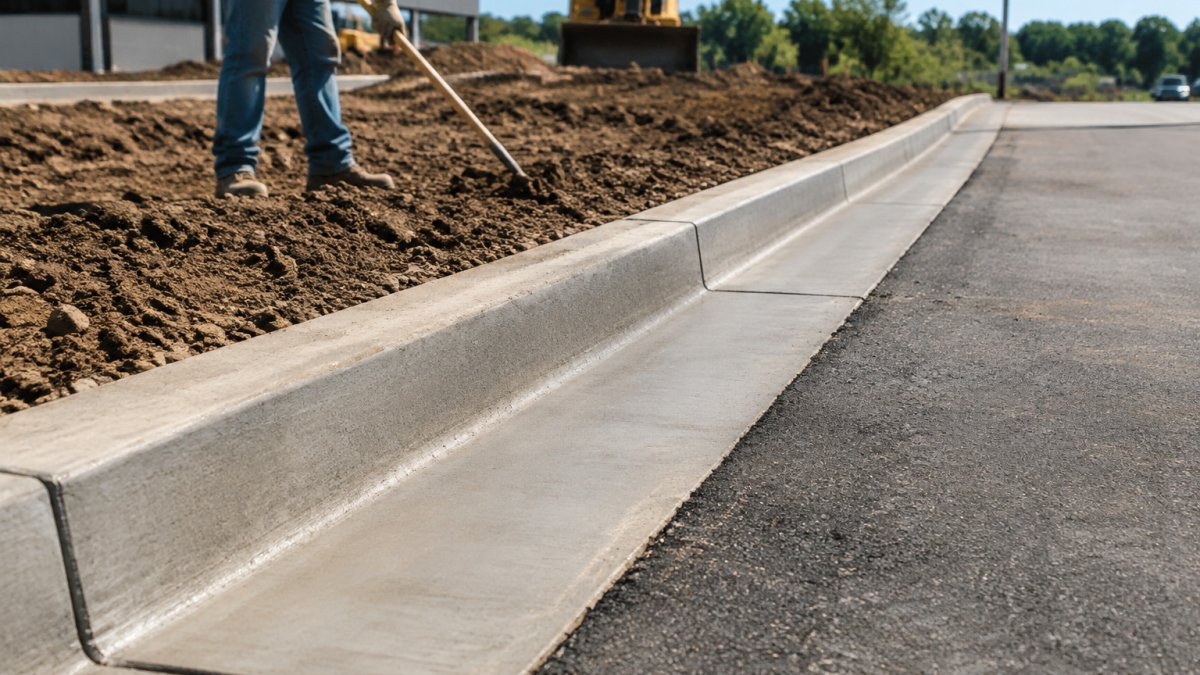
The gap between a bid and a finished slab is where most concrete budgets fail. If you are tired of chasing subcontractors who disappear after the pour, BK Concrete LLC handles site preparation, grading, rebar reinforcement, and precision curb and gutter work to city specifications, with an online estimator that puts a ballpark figure in your hands before the first site visit. Get started with BK Concrete LLC and lock your concrete scope before the schedule locks it for you.